Peristaltic pumps offer a straightforward yet highly effective method for transferring fluids while ensuring the liquid never touches the pump's internal mechanism. By squeezing compressible tubing, these positive displacement pumps—also known as roller pumps—have been in use since the 19th century across industries like medical, research, agriculture, and manufacturing. Their versatility makes them ideal for applications ranging from precise dosing to continuous flow. Below, we address common questions about selecting and using peristaltic pumps.
What is a peristaltic pump and how does it work?
A peristaltic pump is a type of positive displacement pump that moves fluid through flexible tubing by compressing and releasing it in a wave-like motion. Rollers or shoes press against the tubing, creating a seal that pushes the liquid forward. Because the fluid only contacts the tube interior, the pump mechanism stays clean and sterile. This design minimizes contamination risk and is ideal for sensitive or hazardous fluids. The simple construction allows for easy maintenance—just replace the tubing when worn. Peristaltic pumps are known for their gentle pumping action, which is suitable for shear-sensitive fluids like blood or live cultures.
What are the main types of peristaltic pumps?
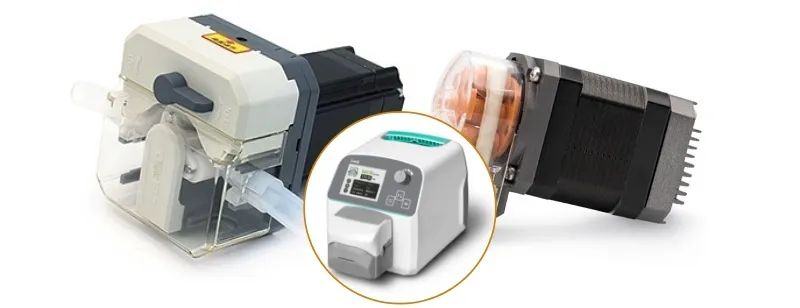
There are two primary mechanisms: roller-based and shoe-based pumps. Roller pumps use rotating rollers that squeeze the tube against a curved housing. They are common in lighter-duty applications and provide gentle handling. Shoe-based pumps replace rollers with sliding shoes that press the tube against a flat surface, generating higher pressures and better endurance for industrial tasks. Both types can be driven by various motors, including stepper motors for precise dosing. The choice between them depends on factors like pressure requirements, flow rate, and duty cycle. For most hobbyist or lab projects, roller pumps suffice; heavy industrial uses often necessitate shoe designs.
What are the typical applications of peristaltic pumps?
Peristaltic pumps are incredibly versatile and used in fields ranging from medical (infusion pumps, dialysis) to agriculture (fertilizer dosing) and research (chemical handling). They excel in applications requiring sterility, such as pharmaceutical manufacturing or food processing. In DIY projects, enthusiasts have built peristaltic pumps for home-brew flow batteries, homemade pharmaceutics, and even lab-on-a-chip devices. Their ability to handle viscous fluids, slurries, and gases makes them a go-to choice for many fluid transfer challenges. The key advantage is that the pump itself doesn't contact the fluid, so it can be used for corrosive or abrasive materials without damage.
How do I choose the right tubing material for my peristaltic pump?
Tubing selection is critical for performance and chemical compatibility. Common materials include silicone (great for biocompatibility and food-grade use) and PVC (a cost-effective option for many fluids). For harsh chemicals or high-temperature applications, consider Viton (fluoroelastomer) or Norprene. Also, tubing hardness and wall thickness affect pump life and accuracy. Silicone tubing is often preferred for its flexibility and low spallation, while PVC offers good resistance to weak acids and bases. Always confirm chemical resistance charts with your fluid supplier to avoid degradation or contamination.
Can I use a peristaltic pump for precise dosing?
Yes, peristaltic pumps are excellent for dosing applications. By coupling the pump with a stepper motor, you can achieve highly accurate and repeatable fluid volumes—ideal for chemical injection, medical dispensing, or mixing recipes. The pump's linear relationship between rotation and flow rate allows simple control. For even finer control, use a pump with a small-diameter tube and low flow rates. Some pumps offer reversing capability to suck back excess fluid, preventing drips. Calibration is straightforward: measure the output over a set number of rotations and adjust accordingly.
What maintenance do peristaltic pumps require?
Maintenance is minimal thanks to the simple design. The primary task is periodically replacing the tubing, which wears out over time due to compression. Check for cracks, hardening, or leaks. Rollers or shoes should be inspected for wear or debris. Lubrication of bearings may be needed for some models. If pumping abrasive fluids, tubing life will be shorter. Always follow manufacturer guidelines for tubing replacement intervals. The pump head can be cleaned without disassembling the motor or controls—just remove and replace the tube. This low-maintenance feature is a major advantage over other pump types that require seal replacements or complex servicing.
What are the main advantages of peristaltic pumps over other pump types?
Peristaltic pumps offer several unique benefits: no contamination of the pump mechanism by the fluid, gentle pumping that protects shear-sensitive media, self-priming ability, and the capacity to run dry without damage. They can handle both liquids and gases, and are reversible. The simple design means easy cleaning and tube replacement. They are also ideal for metering and dosing due to their positive displacement nature. However, they may have lower efficiency and higher pulsation compared to centrifugal pumps. The trade-offs are worthwhile when cleanliness and gentle handling are priorities.