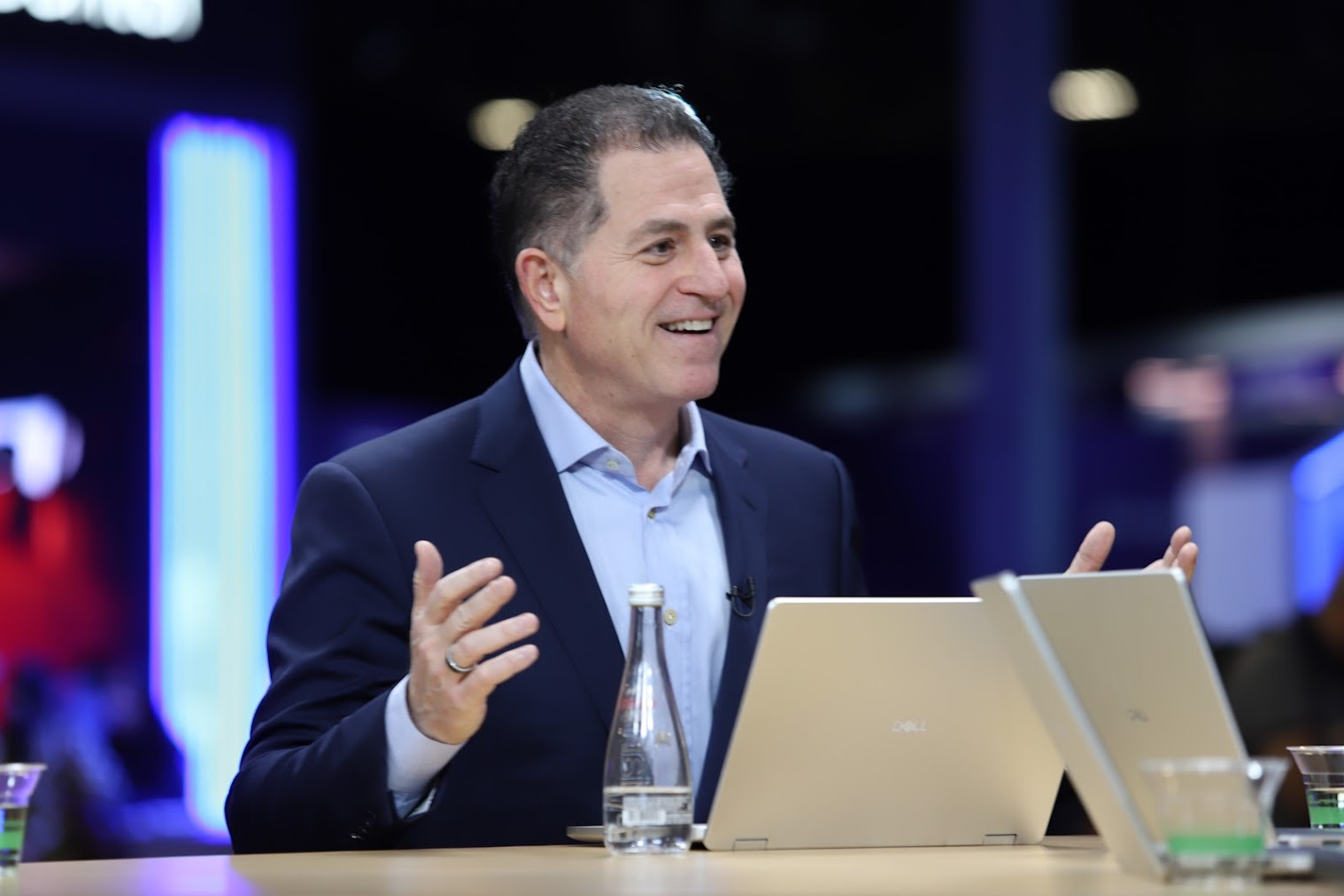
At Dell Technologies World 2026, CEO Michael Dell delivered a keynote that set the tone for the next era of enterprise technology. His central thesis—"Abundant intelligence is here"—wasn't just a catchy phrase; it was a declaration that artificial intelligence has officially moved out of experimental labs and into the operational core of businesses. This shift is not merely another infrastructure upgrade but a fundamental transformation in how companies operate, compete, and innovate. Below are five key takeaways from his address, each highlighting a critical dimension of this new reality.
1. AI Becomes the New Infrastructure Backbone
Michael Dell emphasized that AI is no longer a standalone project or a pilot program—it is becoming the very foundation upon which modern enterprise infrastructure is built. He argued that firms must treat AI as a core utility, much like electricity or networking, rather than an add-on. This means rethinking data center architectures, deploying specialized hardware (like Dell's PowerEdge servers optimized for AI workloads), and embracing software-defined storage that can handle massive, real-time data flows. The shift from experimentation to operational deployment requires a new mindset: one where AI workflows are embedded into every business process, from supply chain optimization to customer service. As Dell stated, "Abundant intelligence" means AI is always on, always learning, and always available—requiring a resilient, scalable infrastructure that can support continuous, low-latency inference and training at scale.
2. Dell's AI-First Product Portfolio Takes Center Stage
The keynote highlighted how Dell Technologies has aligned its entire product lineup with this AI-centric vision. From the new Dell AI Factory to integrated solutions with NVIDIA and AMD, the company is delivering purpose-built systems that trade general-purpose compute for massive parallel processing capabilities. Michael Dell showcased the latest generation of PowerScale storage, which now includes native AI data management features, and the Dell Data Protection Suite, which uses AI to predict and prevent data loss. The message was clear: AI is not just a workload—it's a design principle. Dell's portfolio now includes specialized servers, networking switches optimized for GPU clusters, and end-to-end AI lifecycle management tools. This approach reduces the complexity of deploying AI at scale, allowing enterprises to focus on innovation rather than integration.
3. Ecosystems and Partnerships Are the Key to AI Success
A recurring theme in the keynote was that no single company can deliver AI alone. Michael Dell called for deeper collaboration across the tech industry, bringing together hardware manufacturers, software providers, cloud platforms, and system integrators. He announced expanded partnerships with major AI model providers, including a new joint initiative with OpenAI to create custom enterprise-grade models that run on Dell infrastructure. Additionally, Dell is launching an "AI Ecosystem Marketplace" where customers can access pre-validated stacks combining Dell hardware with leading AI frameworks like PyTorch, TensorFlow, and Hugging Face. This ecosystem approach reduces deployment time from months to weeks and lowers the total cost of ownership. Dell stressed that open standards and interoperability are critical to avoid vendor lock-in while still benefiting from optimized, integrated solutions.
4. AI Governance and Security Are Non-Negotiable
With great power comes great responsibility, and Michael Dell dedicated a significant portion of his keynote to AI governance and security. He introduced new capabilities within Dell Data Protection and Cyber Recovery that automatically detect and mitigate AI-specific threats, such as model poisoning, adversarial attacks, and data leakage. Dell also announced a new AI Ethics Advisory Board and a set of principles for responsible AI deployment, including transparency, fairness, and accountability. The company is embedding governance controls directly into its AI platform, allowing enterprises to set policies around data usage, model explainability, and compliance with emerging regulations (like the EU AI Act). Michael Dell warned that organizations ignoring AI safety will face not only reputational damage but also regulatory penalties and loss of customer trust. In an era of "abundant intelligence," robust security and ethical frameworks are the essential guardrails that enable sustainable AI adoption.

5. The Future of Work Is Augmented, Not Automated
Contrary to fears of widespread job displacement, Michael Dell painted a vision of the future where AI augments human capabilities rather than replaces them. He showcased examples of Dell employees using AI co-pilots to accelerate code development, improve customer interactions, and streamline administrative tasks. The keynote highlighted Dell's own internal transformation: the company has deployed AI assistants across its sales and support teams, resulting in a 30% increase in productivity while also improving employee satisfaction. Dell argued that "abundant intelligence" means every worker has access to a personal AI assistant that can handle routine tasks, provide real-time insights, and enable better decision-making. The challenge for enterprises is to redesign workflows and training programs to leverage these tools effectively. Michael Dell urged organizations to invest in reskilling and change management, ensuring that humans remain at the center of an AI-augmented enterprise.
Michael Dell's 2026 keynote at Dell Technologies World was a rallying cry for businesses to embrace AI not as a future possibility but as a present imperative. The five takeaways above—infrastructure transformation, product evolution, ecosystem collaboration, governance, and human augmentation—form a roadmap for enterprises looking to thrive in the age of abundant intelligence. As the lines between physical and digital continue to blur, those who adopt this holistic approach will be best positioned to lead the next wave of innovation. The message is clear: the AI era is here, and it's time to build.