1. The Unprecedented Scale of the Attack
The Canvas breach targeted an estimated 275 million students and faculty across nearly 9,000 educational institutions nationwide. This makes it one of the largest cybersecurity incidents in the education sector. The platform, owned by Instructure, is a cornerstone for managing coursework, assignments, and communication. The sheer number of affected users—from K-12 districts to major universities—amplifies the disruption. Schools relying on Canvas for daily operations suddenly found themselves locked out, with classes paused and deadlines in jeopardy.

2. The Cybercriminal Gang Behind the Attack
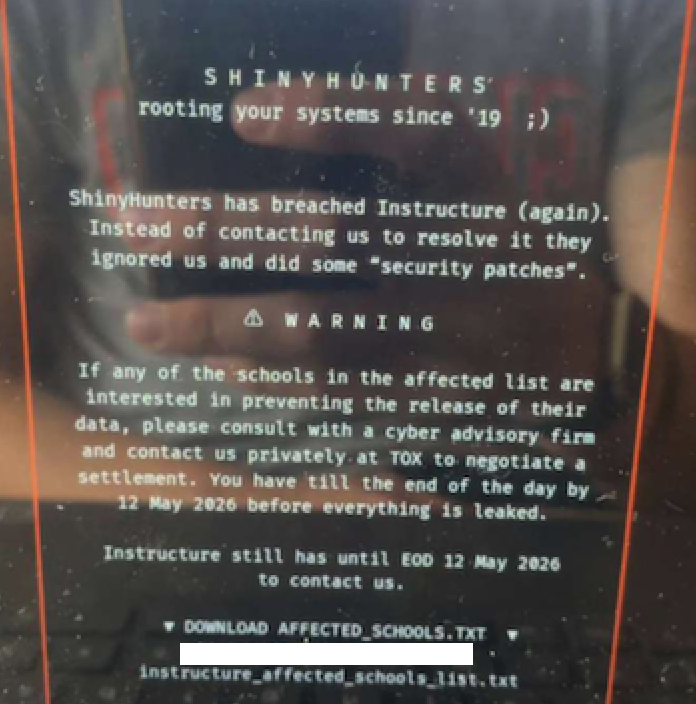
The group claiming responsibility is ShinyHunters, a well-known cybercrime outfit infamous for data extortion. They initially demanded a ransom from Instructure, threatening to leak stolen data if unpaid. The gang has a history of targeting educational platforms, making Canvas a lucrative target. Their tactics included defacing the login page with a ransom note, signaling their control. ShinyHunters often operates with a mix of technical skill and psychological pressure, as seen here by setting a tight deadline that was later extended.
3. What Data Was Actually Stolen?
According to Instructure's investigation, the breach exposed identifying information such as names, email addresses, and student ID numbers. Additionally, messages among users were compromised. ShinyHunters claimed to have billions of private messages, plus phone numbers. This means sensitive academic communications—between teachers and students, or among classmates—could be leaked. While not financial data, this type of personal information can fuel identity theft or targeted phishing attacks.
4. The Timeline: From Breach to Defacement
Instructure acknowledged the breach earlier in the week, with the ransom deadline initially set for May 6. That deadline was later pushed to May 12. On May 6, the company assured users that Canvas was fully operational and the incident was contained. However, by the afternoon of May 7, students and faculty reported seeing a ransom demand on the login page. This rapid escalation from breach to public defacement caught many off guard.
5. The Extortion Tactic: Login Page Defacement
On May 7, ShinyHunters replaced the usual Canvas login page with a ransom message, visible to users trying to access their courses. The message advised affected schools to pay their own ransoms directly to prevent data publication, bypassing Instructure. This bold move forced the company to take drastic action—shutting down the platform and displaying a “scheduled maintenance” notice. The defacement was a clear signal that the attackers still had access or leverage.
6. Instructure’s Response: Taking Canvas Offline
In response to the defacement, Instructure disabled the entire Canvas platform, replacing the login portal with a maintenance message. The company’s status page stated they anticipated being back up soon, but gave no exact timeline. This move prevented further exposure but also paralyzed countless institutions mid-week. Critics questioned why containment wasn’t achieved earlier, especially given the exam timing. The outage disrupted not just classes but also grading and administrative workflows.
7. The Data That Wasn’t Stolen
Instructure emphasized that the investigation found no evidence of more sensitive data being compromised. Specifically, passwords, dates of birth, government identifiers, and financial information were not part of the breach. This distinction is crucial for reducing identity theft risk—though attackers might still combine leaked emails with other breaches. Still, the absence of financial data doesn’t diminish the invasion of privacy caused by exposed messages and student IDs.
8. Impact on Students and Schools: Final Exams in Jeopardy
The timing of this attack was particularly damaging. Many affected schools and universities were in the middle of final exams. A prolonged Canvas outage meant students couldn’t submit assignments, access study materials, or view grades. Teachers scrambled to find alternatives, from paper printouts to secondary platforms. For online-only courses, the disruption was even more severe. The incident highlighted the single point of failure when an entire institution relies on one tech provider.
9. What’s Next for Affected Institutions?
The ransom message advised schools to negotiate directly with ShinyHunters, leaving individual institutions to decide whether to pay. This places schools in a difficult ethical and financial position. For most, paying ransoms is discouraged by law enforcement and cybersecurity experts. Meanwhile, Instructure works to restore service and secure the platform. The long-term consequences may include strengthened security protocols, legal action against ShinyHunters, and a potential reevaluation of how educational data is stored.